
News & Engagements
Opinion, analysis and commentary from IndiaForth's writers, published across leading outlets.
 ECONOMY & TRADE
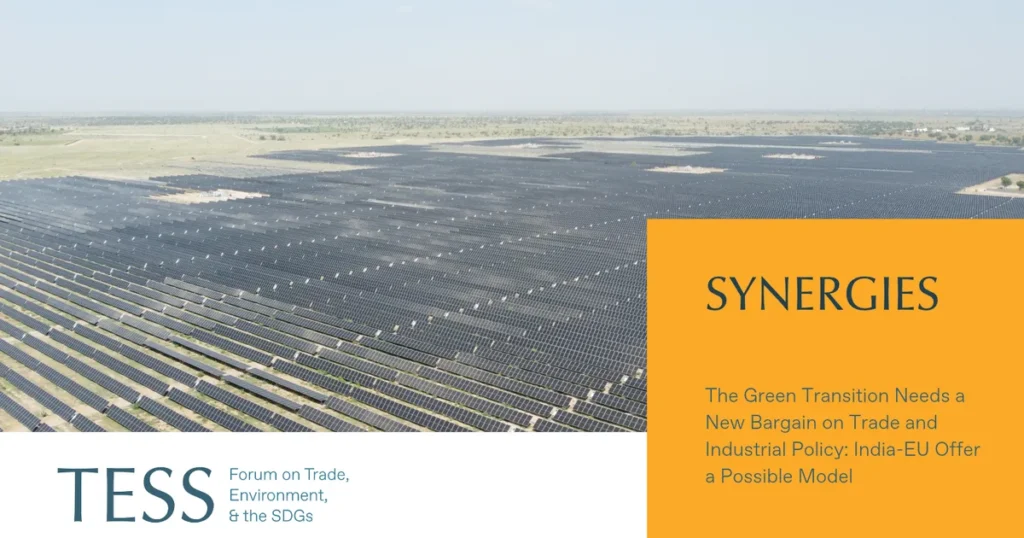
The Green Transition Needs a New Bargain on Trade and Industrial Policy: India-EU Offer a Possible Model
The article argues that the green transition requires internationally coordinated industrial policy rather than domestic self-sufficiency. India’s solar capacity increased from 2.82 GW in 2014 to 150.26 GW…
The article argues that the green transition requires internationally coordinated industrial policy rather than domestic self-sufficiency. India’s solar capacity increased from 2.82 GW in 2014 to 150.26 GW in March 2026, while wind manufacturing and green hydrogen initiatives demonstrate opportunities and supply-chain challenges. The EU–India partnership offers a model through climate finance, technology transfer, joint research, manufacturing and trade cooperation. With bilateral goods trade reaching €120 billion in 2024, the proposed Free Trade Agreement could strengthen industrial capabilities. The article advocates interdependence to achieve affordable, resilient and equitable decarbonisation.
 DEFENCE & SECURTIY
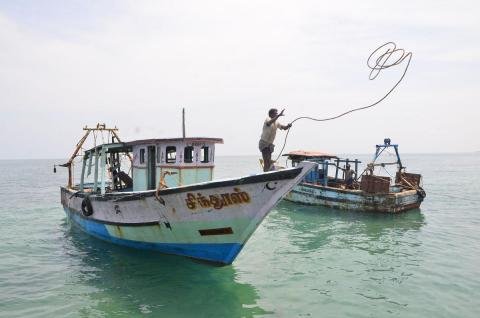
The Bay of Bengal: South Asia’s Emerging Maritime Security Challenge
The Palk Bay fishing dispute between India and Sri Lanka highlights the importance of integrating coastal livelihoods into maritime security. Indian mechanised trawlers affect the livelihoods of northern…
The Palk Bay fishing dispute between India and Sri Lanka highlights the importance of integrating coastal livelihoods into maritime security. Indian mechanised trawlers affect the livelihoods of northern Sri Lankan artisanal fishers through destructive fishing practices and cross-border operations. The article argues that maritime security must extend beyond territorial sovereignty and naval enforcement to include community participation. It proposes formal stakeholder consultations, transparent reporting mechanisms and livelihood-based security indicators. An inclusive maritime governance framework can strengthen regional cooperation by integrating security, environmental protection and the interests of coastal communities.
 FOREIGN POLICY Podcast
 ENERGY & CLIMATE
The winner takes it all
Europe’s green industrial transition faces growing public resistance over living costs, job losses and inequality, reflected in protests in France and threatened strikes by Volkswagen workers in Germany…
Europe’s green industrial transition faces growing public resistance over living costs, job losses and inequality, reflected in protests in France and threatened strikes by Volkswagen workers in Germany from January 2027. The EU’s Clean Industrial Deal and 2025 state-aid framework promote clean manufacturing but must also ensure a fair distribution of transition costs. The article advocates participatory industrial policy, requiring publicly subsidised companies to provide retraining, supplier support, regional investment and worker consultation. Its central argument is that social justice and enforceable public obligations are essential for sustaining industrial transformation.
 ENERGY & CLIMATE
India’s climate bargain at Antalya – The Statesman
India’s strategy at COP31 in Antalya centres on linking climate ambition with adequate finance, technology transfer and development flexibility. It will emphasise developed countries’ obligations under Article 9.1…
India’s strategy at COP31 in Antalya centres on linking climate ambition with adequate finance, technology transfer and development flexibility. It will emphasise developed countries’ obligations under Article 9.1 of the Paris Agreement, including the commitment of $300 billion annually by 2035, alongside the broader $1.3 trillion climate finance target. India will advocate CBDR-RC, greater adaptation support, nationally determined pathways and opposition to discriminatory trade measures such as the EU’s CBAM. Ultimately, success depends on credible financial delivery, accessible technology, equitable cooperation and effective domestic implementation.
 FOREIGN POLICY
Nie tylko rynek zbytu. Czego Indie szukają w Europie Środkowej? – Res Publica Nowa
Thousands of kilometres away from Central Europe, India faces a familiar challenge: how to transform its rapidly expanding manufacturing and engineering base into deeper participation in global production…
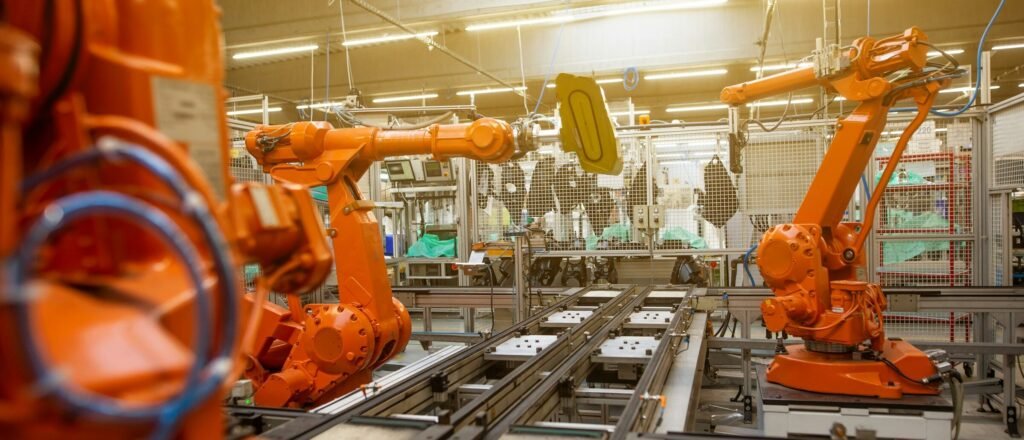
Thousands of kilometres away from Central Europe, India faces a familiar challenge: how to transform its rapidly expanding manufacturing and engineering base into deeper participation in global production networks. Cooperation between the Visegrad Four (V4) and New Delhi could benefit both sides, provided it is built around concrete industrial activities rather than merely diplomatic declarations.
 GEO-POLITICS
How America’s political reset could reshape its global role
The 2026 US midterm elections could reshape congressional power, strengthen legislative oversight and constrain President Donald Trump’s domestic and foreign policy agenda. A change in congressional control may…
The 2026 US midterm elections could reshape congressional power, strengthen legislative oversight and constrain President Donald Trump’s domestic and foreign policy agenda. A change in congressional control may affect US engagements with Russia, Ukraine and Iran, immigration policies, tariffs and industrial reshoring, although presidential authority over foreign affairs remains substantial. The elections may also deepen ideological divisions within both parties ahead of the 2028 presidential contest. For India, changes in US trade, H-1B visas, technology transfers and defence cooperation highlight the need for bipartisan institutional engagement while safeguarding strategic autonomy and economic security.
 FOREIGN POLICY
Can India Keep Central Europe in the Driving Seat?
The Visegrad Four (V4) and India can deepen economic cooperation by connecting India's expanding manufacturing base with Central Europe's industrial networks. Diplomatic ties have strengthened through Narendra Modi's…
The Visegrad Four (V4) and India can deepen economic cooperation by connecting India's expanding manufacturing base with Central Europe's industrial networks. Diplomatic ties have strengthened through Narendra Modi's visits to Poland (August 2024), Croatia (June 2025) and Slovakia (June 2026), resulting in upgraded bilateral partnerships. Slovakia hosts Tata-owned Jaguar Land Rover's Nitra plant, highlighting existing industrial links. The first V4+India Foreign Ministers' Meeting was held on 21 September 2026 in New York during the 81st UN General Assembly, providing an institutional foundation for practical industrial cooperation.
 GEO-ECONOMICS
India and Australia must turn quantum research into industry
India and Australia’s July partnership on cybersecurity, critical technologies and supply chains can strengthen bilateral industrial cooperation through quantum technology. India offers public investment and emerging firms, while…
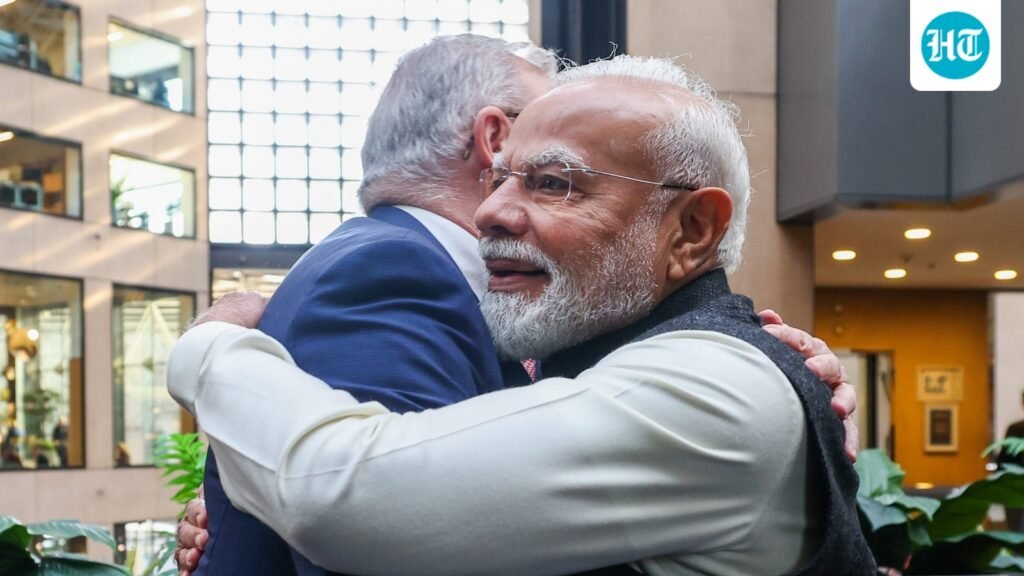
India and Australia’s July partnership on cybersecurity, critical technologies and supply chains can strengthen bilateral industrial cooperation through quantum technology. India offers public investment and emerging firms, while Australia contributes expertise in quantum control and sensing. Collaboration involving companies such as Q-CTRL, Nomad Atomics and India’s QNu Labs should prioritise joint product development, domestic manufacturing and exports. India’s ₹150-crore support for QNu Labs and 50% local-content requirement for Class I procurement reinforce this objective. Joint trials in mining, water management and post-quantum cybersecurity, alongside technology transfer and shared intellectual property, can create globally competitive Indian suppliers.
 REGIONAL AFFAIRS
BIMSTEC and India’s search for a more effective regional order
BIMSTEC’s first Home Ministers’ Meeting in New Delhi (October 13, 2026) reaffirmed cooperation against terrorism, drug trafficking, human trafficking, cybercrime and organised crime, but its value will depend…
BIMSTEC’s first Home Ministers’ Meeting in New Delhi (October 13, 2026) reaffirmed cooperation against terrorism, drug trafficking, human trafficking, cybercrime and organised crime, but its value will depend on implementation rather than declarations. For India, BIMSTEC links its “Neighbourhood First” and “Act East” policies, connecting the Northeast with Bangladesh, Myanmar and Thailand while strengthening Bay of Bengal maritime security. Regional integration remains weak due to incomplete infrastructure, slow free-trade negotiations, political instability and cumbersome border procedures. India should prioritise practical measures—intelligence sharing, legal assistance, disaster preparedness, customs reform and reliable transport corridors—while using transparent scorecards, consultation and focused, high-impact projects to build trust and deliver tangible regional benefits.
 DEFENCE & SECURTIY
India and Japan’s Next Security Challenge Is Strategic Endurance
India and Japan must build strategic endurance—the ability to sustain economic and military power during prolonged disruptions to energy, ports, supply chains, and repair infrastructure. India imports about…
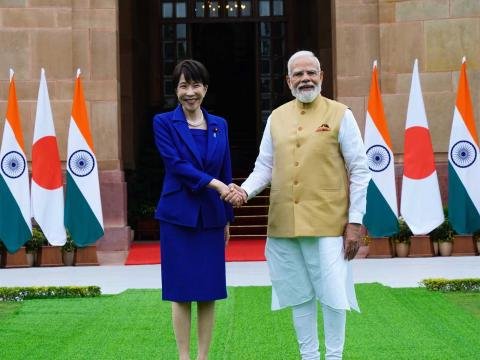
India and Japan must build strategic endurance—the ability to sustain economic and military power during prolonged disruptions to energy, ports, supply chains, and repair infrastructure. India imports about 88% of its crude oil; Japan’s energy self-sufficiency was 16.4% in FY2024, making resilient energy transport and strategic reserves vital. Their cooperation now spans energy stockpiling, maritime security, naval maintenance and repair, defence technology under Make in India, and critical technologies including semiconductors, minerals, AI, clean energy, and pharmaceuticals. Rather than pursuing autarky, both should identify high-risk dependencies, diversify suppliers, build redundancy, and regularly stress-test cross-sector vulnerabilities. Resilience gives deterrence staying power.
 ENERGY & CLIMATE
INDIA’S GREEN TRANSITION IS ALSO AN INDUSTRIAL TEST
India can deploy clean energy rapidly but must convert deployment into manufacturing capability to compete globally. Despite ambitious targets, India relies heavily on imported technology: China holds around…
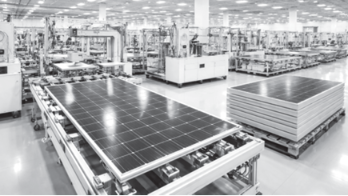
India can deploy clean energy rapidly but must convert deployment into manufacturing capability to compete globally. Despite ambitious targets, India relies heavily on imported technology: China holds around 85% of solar supply-chain capacity and 95% of PV wafer capacity. India’s PLI scheme for solar modules, with a Rs 240 billion outlay, and the National Green Hydrogen Mission, with Rs 197.44 billion, aim to build local capacity, technology, and suppliers. Yet module capacity of about 210 GW contrasts with only 27–30 GW of cell capacity and near-total Chinese wafer dependence. India needs technology transfer, skills, R&D, supplier development, exports, and strategic diversification—not mere factories—to industrialize through the green transition.
 FOREIGN POLICY
India-GCC Ties: Building Resilience Amid Gulf Risks
India is deepening ties with the Gulf Cooperation Council beyond energy, remittances, and labour into trade, investment, fertilizers, food security, technology, transport, and maritime cooperation. India–GCC trade reached…
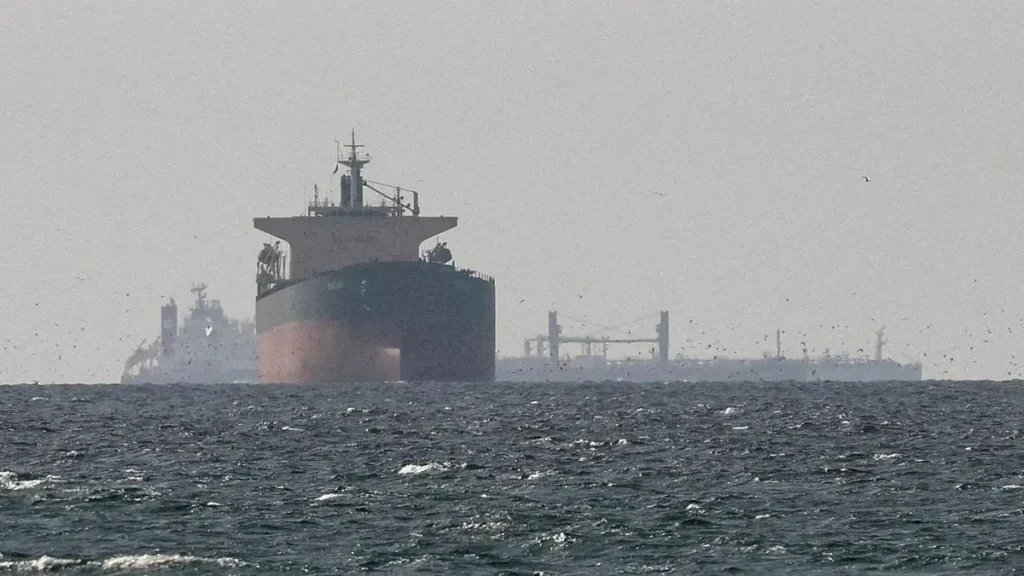
India is deepening ties with the Gulf Cooperation Council beyond energy, remittances, and labour into trade, investment, fertilizers, food security, technology, transport, and maritime cooperation. India–GCC trade reached $178.66 billion in 2025–26, while negotiations on an India–GCC FTA and the 2024–28 Joint Action Plan aim to institutionalize the partnership. However, greater interdependence creates new risks: Gulf oil, fertilizers, shipping, investment, and trade share the same maritime routes, especially around the Strait of Hormuz, through which about 80% of oil and oil products move to Asia. India must therefore pursue supplier diversification, sectoral diversification across Gulf partners, and redundant logistics through options such as Chabahar, the INSTC, and the Fujairah corridor. The goal is not to reduce Gulf engagement, but to prevent a Gulf disruption from becoming an Indian economic crisis.
 FOREIGN POLICY
What Will India & Switzerland Build together?
India–Switzerland relations should be measured not by the $100 billion investment ambition under the India–EFTA TEPA or the target of one million jobs over 15 years, but by…
India–Switzerland relations should be measured not by the $100 billion investment ambition under the India–EFTA TEPA or the target of one million jobs over 15 years, but by the productive capabilities they create. India offers scale—a vast market, talent, infrastructure, and growing innovation—while Switzerland offers capital, precision engineering, advanced manufacturing, pharmaceuticals, med-tech, research, and high-value supply chains. The partnership should move beyond investment announcements and tariff cuts to build an Indo-Swiss production ecosystem: developing Indian suppliers, transferring technology, creating intellectual property, training skilled workers, and helping firms enter global value chains. The CHF 45 million research commitment should produce patents, commercialised technologies, start-ups, and industry partnerships, while mobility programmes should enable two-way talent circulation. Both countries should track outcomes through an impact dashboard focused on supplier localisation, exports, joint ventures, skills, and technological capability. The real goal is co-creation, not merely Swiss investment in India.
 TECHNOLOGY
India’s Undersea Bling Spot: Cable Security in an Era of Grey-Zone Warfare
Submarine cables are the arteries of globalisation, carrying an estimated 95–99% of international data traffic and supporting banking, digital payments, government communication, defence networks, and business. India’s vulnerability…
Submarine cables are the arteries of globalisation, carrying an estimated 95–99% of international data traffic and supporting banking, digital payments, government communication, defence networks, and business. India’s vulnerability lies in concentration: about one-third of westbound traffic passes through the Strait of Hormuz–Red Sea corridor, while Mumbai handles about 95% of India’s international bandwidth. India hosts only 18 of roughly 600 global subsea cables, with 13 landing within six kilometres at Versova, Mumbai; 11 cables are over 20 years old. It also lacks an Indian-owned, flagged, or permanently stationed repair vessel, making repairs take three to five months.
The threat is shifting from accidental damage to grey-zone sabotage, where merchant vessels can create deniable disruption. India must integrate cable monitoring into Underwater Domain Awareness, use technologies such as Distributed Acoustic Sensing, create rapid repair and clearance protocols, build sovereign repair capacity through public-private partnerships, diversify landing stations, and pursue phased domestic capability in cable components. It should also lead regional resilience through the Quad, SAGAR/MAHASAGAR, and Indian Ocean partnerships. The aim is not to police the entire seabed, but to deny adversaries a low-cost tool of coercion and make India a resilient digital power in the Indo-Pacific.
 ENERGY & CLIMATE
Australia should learn the lesson on hydrogen’s defence value from India
Australia’s defence preparedness increasingly depends on energy resilience, not only ships, aircraft, and bases. The 2026 National Defence Strategy commits up to $16 billion to northern bases over…
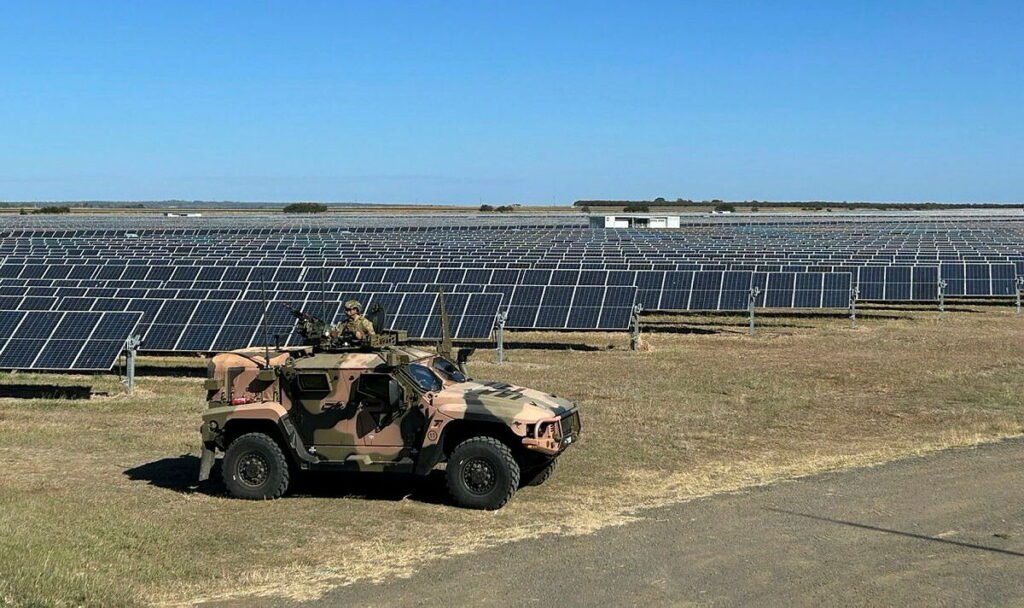
Australia’s defence preparedness increasingly depends on energy resilience, not only ships, aircraft, and bases. The 2026 National Defence Strategy commits up to $16 billion to northern bases over a decade, while about 2,500 US Marines support ADF rotations. Yet conflicts around the Strait of Hormuz expose a key weakness: without secure supplies of aviation fuel, diesel, and petroleum, military operations can stall. Solar installations at RAAF Base Darwin and Robertson Barracks already meet up to 40% of each base’s electricity needs, but solar and batteries alone cannot sustain months-long outages.
India’s 3.7 MW solar-hydrogen microgrid at Chushul, Ladakh—able to operate at minus 40 degrees and reduce diesel transport—offers a practical model. Australia’s Denham hydrogen microgrid provides complementary lessons in harsh coastal conditions. Hydrogen is not a universal solution: it is less efficient than batteries and creates water, safety, cyber, and interoperability challenges. Instead, Australia and India should jointly test solar-battery-hydrogen-diesel microgrids, sovereign low-carbon fuels, and fuel cells for command posts, communications, surveillance, and field hospitals. The aim is a layered, sovereign energy supply chain that reduces vulnerable logistics and keeps critical systems operating during disruption.
 ENERGY & CLIMATE Podcast
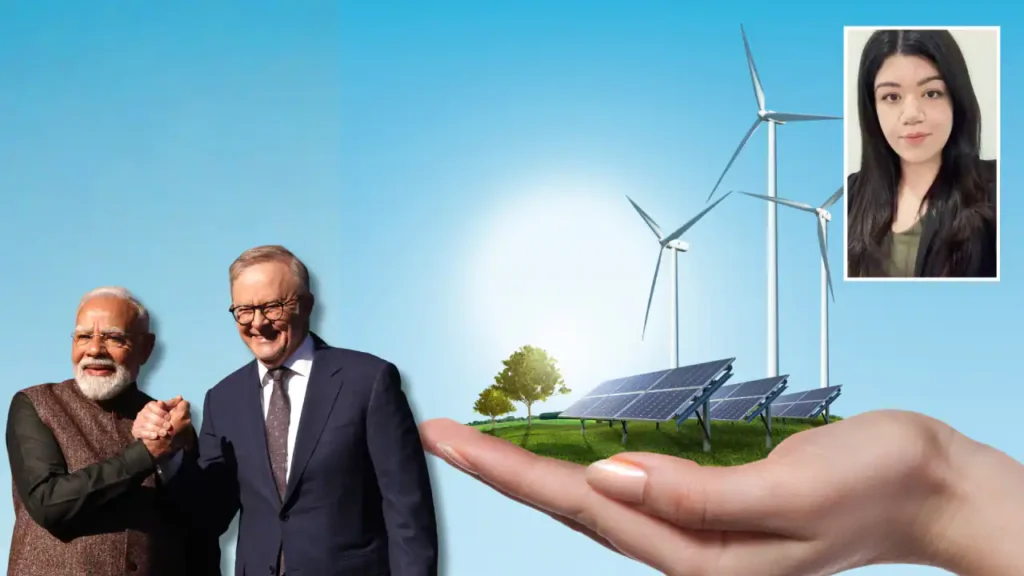
India’s energy access under Modi ‘unprecedented’, says Albanese. Can climate goals keep pace ?
As India expands energy access and demand continues to rise, we explore the country's shift to renewables, continued dependence on coal and the challenges of meeting its climate…
As India expands energy access and demand continues to rise, we explore the country's shift to renewables, continued dependence on coal and the challenges of meeting its climate goals.
 ENERGY & CLIMATE
Australia’s Green Industrial Bet: Making Green Hydrogen Feasible Through India’s Regional Hubs
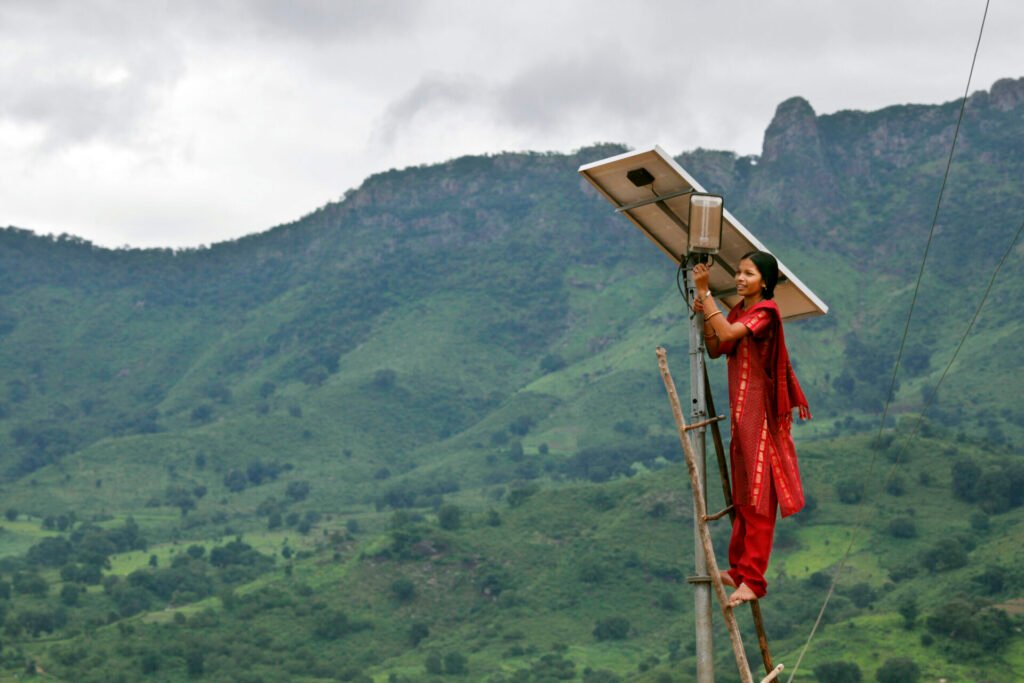
Australia and India have built the diplomatic architecture for green hydrogen cooperation, but must now turn targets into bankable industrial projects. India aims for at least five million…
Australia and India have built the diplomatic architecture for green hydrogen cooperation, but must now turn targets into bankable industrial projects. India aims for at least five million tonnes of annual green-hydrogen capacity by 2030, supported by manufacturing incentives and a digital certification portal; Australia’s Guarantee of Origin scheme and Hydrogen Production Tax Incentive can strengthen credible supply. Yet uncertain export demand could delay India’s target to 2032, making offtake agreements, finance, infrastructure, and certification essential.
Australia should engage directly with Indian states and ports: Gujarat–Rajasthan for production and exports, Odisha for steel and fertiliser demand, Andhra Pradesh and Tamil Nadu for ammonia and marine fuels, and Maharashtra for finance and engineering. Practical cooperation should link Australian technology, finance, and certification with Indian industrial buyers—especially in green ammonia, fertilisers, steel, and shipping fuels. Success should be measured not by announcements, but by purchase agreements, committed finance, operational infrastructure, verified emissions data, and cleaner industrial capacity.
 FOREIGN POLICY
Australia and India need a treaty and a trade deal
Australia and India are negotiating a new bilateral investment treaty (BIT) and a Comprehensive Economic Cooperation Agreement (CECA) to protect capital while enabling joint production. The 1999 Australia–India…
Australia and India are negotiating a new bilateral investment treaty (BIT) and a Comprehensive Economic Cooperation Agreement (CECA) to protect capital while enabling joint production. The 1999 Australia–India BIT, terminated in 2017, offered protections such as fair treatment, compensation for expropriation, fund transfers, and investor–state arbitration; its 15-year survival clause protects eligible pre-termination investments until March 2032.
The Sicona–Himadri partnership illustrates the opportunity: Indian investment supports Australian battery technology, while Indian manufacturing can generate royalties and build local capability. But both countries increasingly want production and jobs at home—Australia through its critical minerals tax incentive and India through its advanced chemistry cell incentive requiring 60% domestic value addition. A new BIT must define investor rights, regulatory exceptions, and dispute procedures clearly, while CECA must address tariff rules, local-content requirements, procurement, certification, testing, and project approvals. Together, they should turn investment protection into shared industrial capability and lasting commercial gains.
 FOREIGN POLICY
The India opportunity Singapore should not underestimate
Singapore should not underestimate India’s growing productive power. The International Tech Park Bangalore, developed through Karnataka’s industrial agency, Tata Industries, and a Singapore consortium led by JTC Corp,…
Singapore should not underestimate India’s growing productive power. The International Tech Park Bangalore, developed through Karnataka’s industrial agency, Tata Industries, and a Singapore consortium led by JTC Corp, generated more than 2,500 skilled jobs and secured commitments for 75% of its office space within 18 months of opening.
The article argues that Singapore can benefit by treating India not merely as a market, but as a partner in manufacturing, technology, talent, infrastructure, and regional supply chains. Singapore’s strengths in finance, logistics, urban planning, and enterprise can combine with India’s scale, engineering talent, and expanding industrial base. The opportunity is to build long-term cross-border production and innovation networks that serve both domestic economies and the wider Indo-Pacific.
 GEO-POLITICS
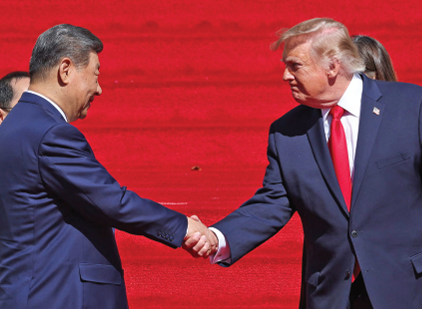
When Trump and Xi Bargain, India Must Bring Its Own Leverage
The Trump–Xi summit of 24 September extended the US–China trade truce but did not resolve deeper disputes over rare earths, AI, technology, and strategic competition. For India, the…
The Trump–Xi summit of 24 September extended the US–China trade truce but did not resolve deeper disputes over rare earths, AI, technology, and strategic competition. For India, the key lesson is that it cannot rely on US–China rivalry alone for leverage. Washington and Beijing can manage competition through selective bargains, reducing the automatic advantage India gains from China+1 diversification.
India must therefore convert opportunity into durable capability. The rare-earth case shows that resources become power only when paired with processing and manufacturing: India has allocated ₹7,280 crore for 6,000 tonnes annually of rare-earth permanent magnets, yet still imports 100% of sintered NdFeB magnets and lacks midstream oxide-to-metal, alloy, and magnet-making capacity. India must also build AI and semiconductor ecosystems, strengthen logistics, energy reliability, skills, and domestic value addition, and avoid becoming a rule-taker in emerging technologies. Strategic autonomy means retaining real choices when the US and China adjust their own calculations—not merely balancing between them.
 GEO-POLITICS
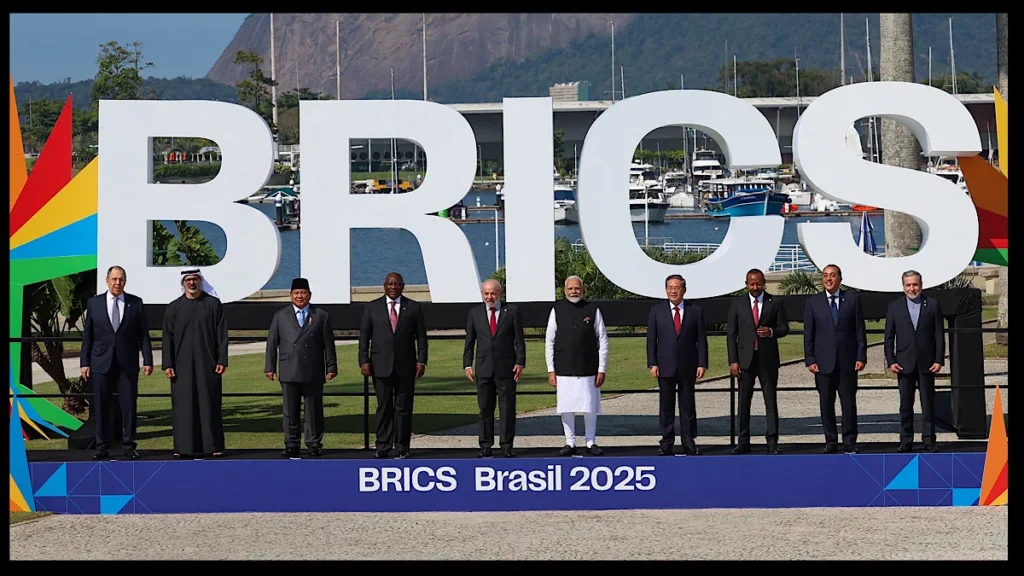
India’s Leadership Test Begins Now
India’s leadership of the Global South will be tested by whether BRICS cooperation improves developing countries’ ability to borrow on better terms, build industries, and retain economic value.…
India’s leadership of the Global South will be tested by whether BRICS cooperation improves developing countries’ ability to borrow on better terms, build industries, and retain economic value. The New Delhi Declaration’s India Centre for BRICS Industrial Competencies and solar-photovoltaic roadmap are starting points, but need finance, firms, and implementation. China held about 85% of solar supply-chain production capacity in 2024, while renewable and battery projects in emerging economies face capital costs at least twice those in advanced economies. India should pursue practical specialisation, local skills, transparent financing, competitive servicing, and measurable outcomes—such as the Zambia digital-payments project benefiting over 34,000 users, 72% of them women—while remaining open to European, Japanese, and multilateral partners.
 GEO-POLITICS
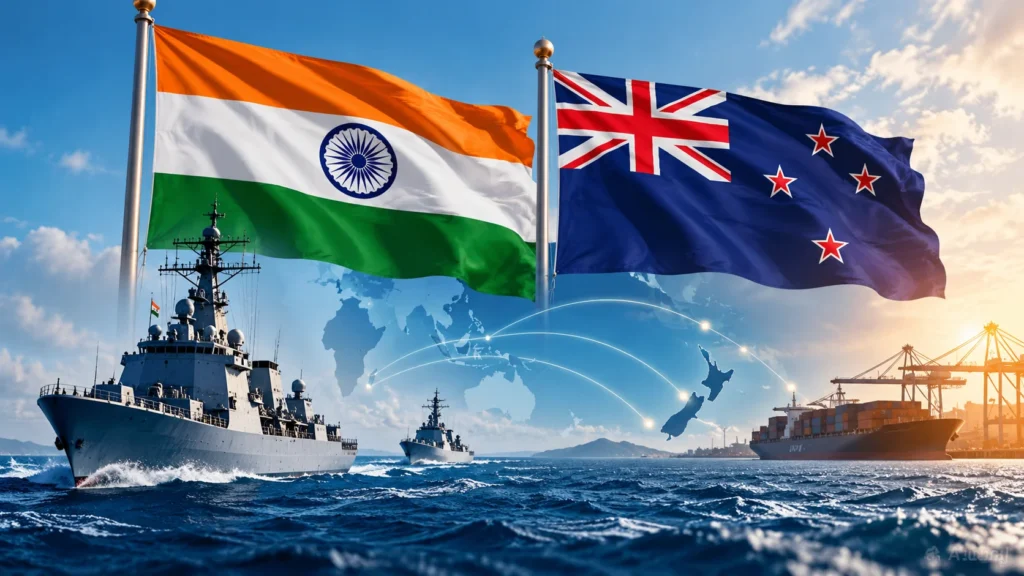
Beyond tariffs: India and New Zealand need a blue-security compact
India and New Zealand are building a combined economic and maritime strategic partnership. New Zealand’s Parliament passed FTA implementation legislation on September 16, 2026, with Royal Assent following…
India and New Zealand are building a combined economic and maritime strategic partnership. New Zealand’s Parliament passed FTA implementation legislation on September 16, 2026, with Royal Assent following on September 17; the FTA, signed in New Delhi in April 2026, will give 100 per cent duty-free access to Indian exports and facilitate USD 20 billion in investment into India. The Strategic Partnership Roadmap to 2030 covers maritime cooperation, hydrography, logistics, naval exercises, an annual Maritime Security Dialogue, and trade facilitation. The article argues that India should integrate trade with maritime security through interoperability, maritime governance, search-and-rescue, and port resilience, creating an Indo-Pacific model where economic integration and security reinforce each other.
 FOREIGN POLICY
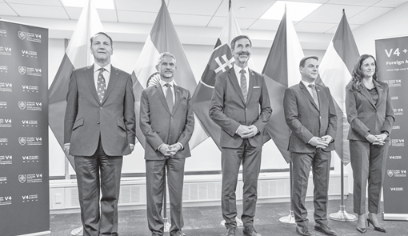
India & V4: New geography of strategic engagement
India’s first foreign-ministers’ meeting with the Visegrád Four in New York on September 21 marks a shift from a solely great-power approach toward a networked form of strategic…
India’s first foreign-ministers’ meeting with the Visegrád Four in New York on September 21 marks a shift from a solely great-power approach toward a networked form of strategic autonomy. Building on PM Modi’s 2024 Poland visit, President Murmu’s 2025 Slovakia visit, and growing ties with Czechia and Hungary, India is adding minilateralism to existing bilateral relationships. The proposed Annual Business Forum and yearly ministerial meetings could advance cooperation in defence, space, nuclear and clean energy, digital technology, pharmaceuticals, automotive, and biotechnology. India-Poland trade is expected to exceed €5.6 billion in 2025, with Polish investment potential above $3 billion; India-Slovakia trade reached about €1.8 billion by 2025. The partnership offers mutual access to specialised industries, European value chains, Indian capital and markets, while supporting strategic hedging rather than dependence.
 GEO-POLITICS
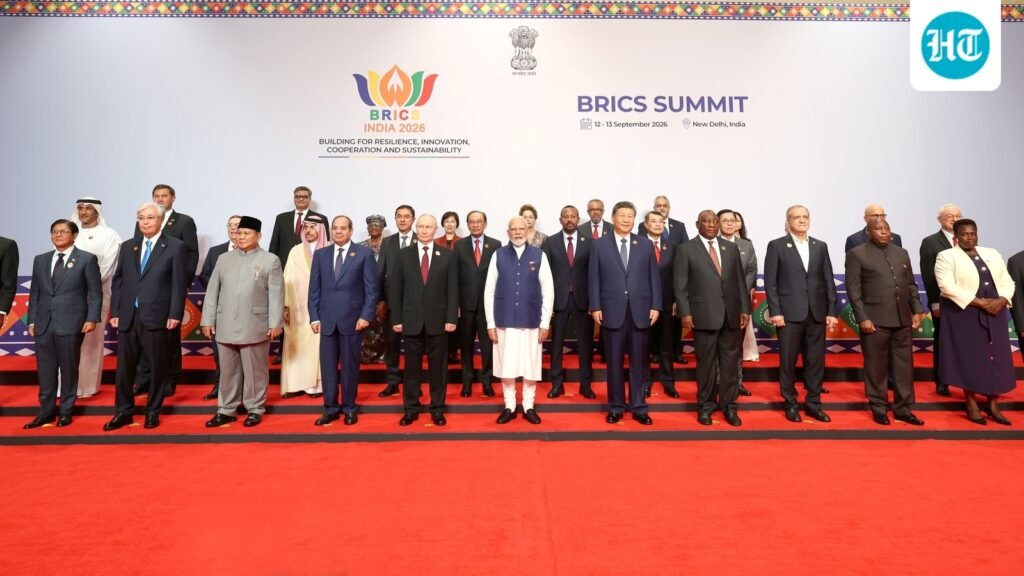
India at the point of renegotiation of the world order
India’s diplomacy at the 81st UN General Assembly argues that multilateral institutions must reflect today’s shifted economic and political realities, not merely grant India a permanent UNSC seat.…
India’s diplomacy at the 81st UN General Assembly argues that multilateral institutions must reflect today’s shifted economic and political realities, not merely grant India a permanent UNSC seat. Hosting the BRICS Summit in New Delhi and joining the Partners for Multilateralism initiative with Australia, Brazil, Canada, Kenya, and the EU, India links institutional reform to resilience against the 4F crisis—fuel, food, fertiliser, and finance. The article stresses that multipolarity alone does not ensure effective cooperation or economic security; countries need diversified supply chains, climate finance, wider developing-country participation in AI governance, and stronger Digital Public Infrastructure. India’s approach combines formal authority with strategic autonomy, using overlapping partnerships rather than a single bloc to reshape global dependence.
 TECHNOLOGY
Semincon India 2026: Road to semiconductor self-reliance
India’s Semicon India 2026 marks a shift from attracting fabs to building a complete semiconductor ecosystem. The first phase approved 12 projects across six states with over ₹1.64…
India’s Semicon India 2026 marks a shift from attracting fabs to building a complete semiconductor ecosystem. The first phase approved 12 projects across six states with over ₹1.64 lakh crore investment, while the second phase has a ₹1.27 lakh crore budget for design, equipment, materials, advanced packaging, R&D, and skills. With 90–95% of India’s semiconductor consumption imported and Taiwan producing about 90% of advanced chips, supply-chain concentration is a strategic vulnerability. The article argues for strategic openness—diversifying suppliers, strengthening design and packaging, developing talent, and using defence procurement—rather than pursuing total self-sufficiency.
 REGIONAL AFFAIRS
BRICS at a turning point: India’s leadership and the road ahead
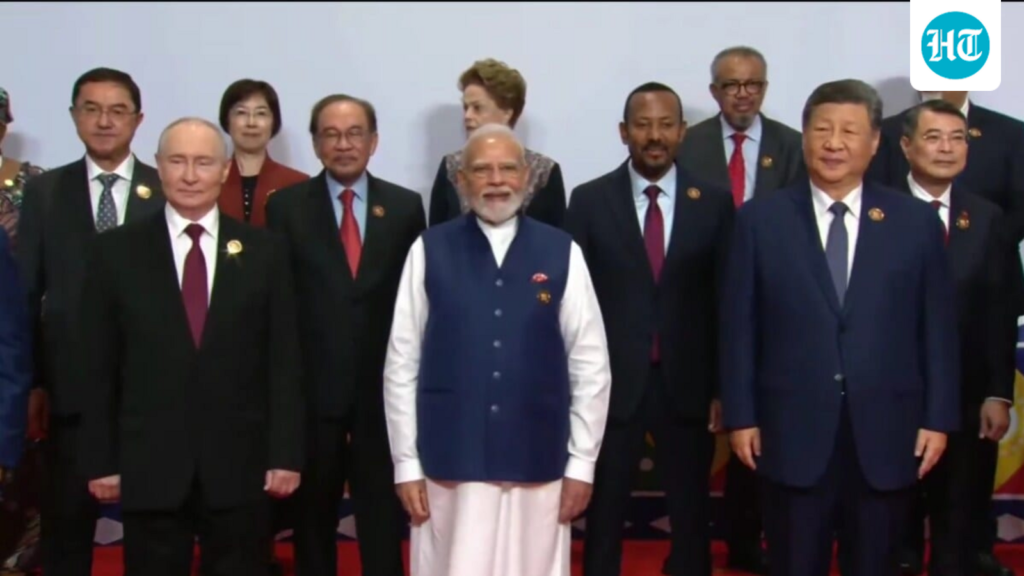
India’s BRICS presidency should prioritise practical economic cooperation over forcing political unanimity in an increasingly diverse bloc. The May Foreign Ministers’ Meeting could not produce a conventional joint…
India’s BRICS presidency should prioritise practical economic cooperation over forcing political unanimity in an increasingly diverse bloc. The May Foreign Ministers’ Meeting could not produce a conventional joint statement due to Iran-UAE differences, so India issued a Chair’s Statement and Outcome Document, showing that cooperation remains possible despite disagreements. India’s agenda—Economic Partnership Strategy 2030, customs, logistics, standards, digital agriculture, MSMEs, interoperable payments, and local-currency finance—aims to build resilient supply chains rather than replace the US dollar. The New Development Bank targets 30% local-currency financing, while critical minerals and maritime connectivity offer further tests of delivery. India should avoid making BRICS anti-Western and instead use it to expand strategic options, diversify dependencies, and make cooperation useful despite geopolitical differences.
 REGIONAL AFFAIRS
Beyond Expansion
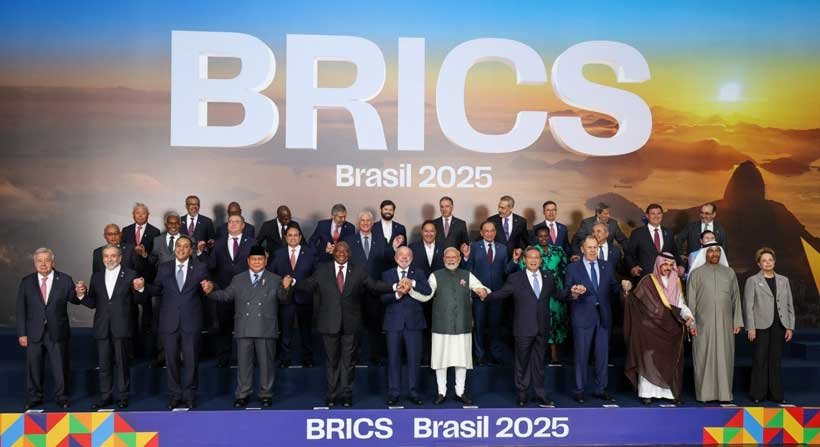
BRICS’s challenge is to convert its scale into practical institutional capacity rather than seek universal consensus. Its expansion adds economic and diplomatic weight but also brings divergent currencies,…
BRICS’s challenge is to convert its scale into practical institutional capacity rather than seek universal consensus. Its expansion adds economic and diplomatic weight but also brings divergent currencies, regulations, and foreign-policy priorities; the group remains an informal coordinating mechanism without a treaty, budget, or permanent secretariat. India’s 2026 presidency should pursue modular cooperation: willing members can advance interoperable payment systems, common digital trade documents and standards, agriculture, critical minerals, logistics, and development finance. India’s UPI-PayNow link with Singapore illustrates how separate systems can interoperate without full harmonisation. Rather than treating de-dollarisation as an end in itself, BRICS should deliver cheaper, faster, safer transactions and measurable trade outcomes; otherwise, expansion may increase visibility without improving effectiveness.
 ECONOMY & TRADE
Beyond De-dollarisation
The article argues that countries are not seeking immediate de-dollarisation but reduced dependence on the US dollar through local-currency trade, diversified reserves, and alternative payment systems. The dollar…
The article argues that countries are not seeking immediate de-dollarisation but reduced dependence on the US dollar through local-currency trade, diversified reserves, and alternative payment systems. The dollar remains dominant—involved in 90% of global foreign-exchange transactions—while BRICS holds 35% of world GDP in PPP terms versus 30% for the G7. China’s RMB internationalisation combines trade settlement, over 40 currency-swap agreements worth RMB 4.16 trillion, the CIPS payment system, e-CNY, and capital-market opening; China-Russia trade is about 90% settled in national currencies, and 41% of China-Brazil trade is in RMB. For India, the priority is building confidence in the rupee through SRVA expansion, Masala bonds, e-rupee, deeper capital markets, export competitiveness, and regional cooperation via IMEC, BIMSTEC, and IORA—thereby strengthening strategic autonomy rather than replacing the dollar.
 DEFENCE & SECURTIY
Weaponing Interdependence at Sea
The article argues that economic interdependence has become a source of strategic vulnerability because concentrated maritime chokepoints can disrupt trade, energy, finance, and supply chains. The 2026 Hormuz…
The article argues that economic interdependence has become a source of strategic vulnerability because concentrated maritime chokepoints can disrupt trade, energy, finance, and supply chains. The 2026 Hormuz crisis—closing the 33-km Strait and affecting nearly 25% of global seaborne oil flows—echoes the 1973 oil crisis, 2021 Suez blockage, and Houthi attacks in the Red Sea. India is highly exposed: about 95% of trade by volume and 72% by value moves by sea; over 70% of crude comes from Gulf suppliers, roughly 90% of which transits Hormuz, while the Strait of Malacca carries about 60% of India’s sea trade. With only 1.2% of the global merchant fleet and nearly 95% of cargo on foreign vessels, India needs resilience through redundancy, substitutability, and recovery capacity—including diversified energy, domestic shipping and ports, strategic reserves, subsea infrastructure, and partnerships such as IPEF, QUAD, and Operation Sankalp.
 DEFENCE & SECURTIY
The nuclear triangle in South Asia and Australia’s opening
The article argues that Australia should move beyond its old India-focused non-proliferation policy and pursue nuclear enmeshment across the China–India–Pakistan nuclear triangle. India and Pakistan remain outside the…
The article argues that Australia should move beyond its old India-focused non-proliferation policy and pursue nuclear enmeshment across the China–India–Pakistan nuclear triangle. India and Pakistan remain outside the NPT, while China’s modernisation shapes Indian calculations and Pakistan’s civil nuclear sector depends on six Chinese-supplied reactors plus one under construction. Australia’s July civil-nuclear arrangement with India enables safeguarded uranium exports, creating an opportunity to deepen cooperation on safeguards, materials accounting, safety, waste stewardship, regulation, and supply-chain assurance. With India targeting 100 GW nuclear capacity by 2047 and a ₹20,000 crore (US$2.4 billion) SMR mission for at least five indigenous SMRs by 2033, Canberra should help build institutional safeguards rather than merely export uranium. The goal is not an anti-China bloc but a more predictable Indo-Pacific nuclear order with stronger transparency and risk-reduction norms.
 DEFENCE & SECURTIY
Australia is building green industries. Defence could make them strategic | The Strategist
Australia should use Defence procurement as a disciplined anchor customer for green industries, turning clean-industry investment into both commercial scale and national resilience. A domestic low-carbon liquid-fuels industry…
Australia should use Defence procurement as a disciplined anchor customer for green industries, turning clean-industry investment into both commercial scale and national resilience. A domestic low-carbon liquid-fuels industry could yield AUD $6–12 billion annually in direct benefits, while green iron and steel could generate up to $96 billion a year in export revenue by 2040. Australia imports over 50 billion litres of refined petroleum annually and produces only about 20% of its liquid-fuel demand, making Defence’s fuel qualification and selective multi-year offtakes especially valuable. The model should extend selectively to lower-emissions steel, cement, solar, batteries, and microgrids where they reduce dependency or improve continuity; India’s defence solar-battery and solar-hydrogen projects and Japan’s renewable procurement offer useful precedents. Defence should pay for the strategically useful slice of production, while civilian markets provide scale.
 TECHNOLOGY
A stress test for Australia’s space ties with India
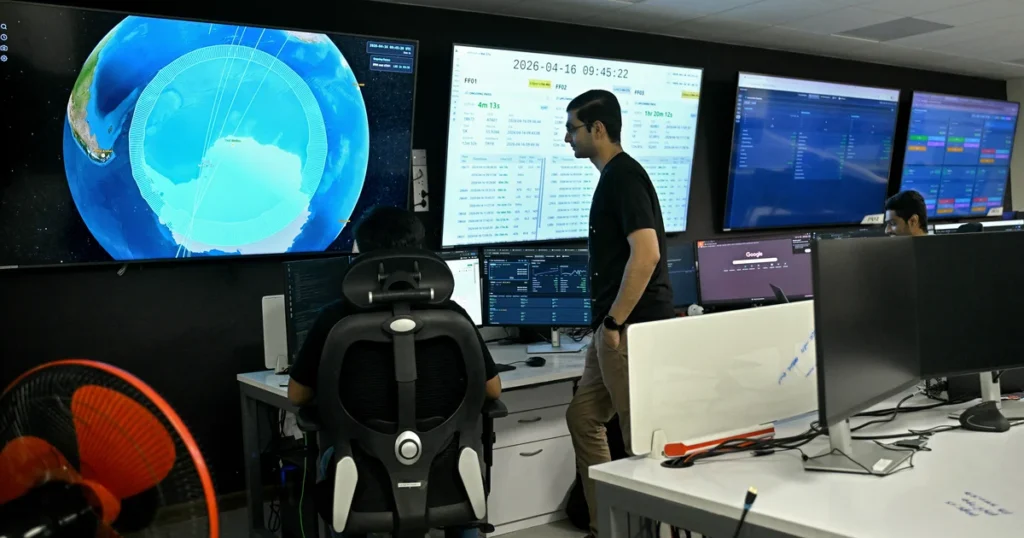
Australia and India are moving from symbolic space cooperation toward operational interdependence. India’s Pixxel, founded by BITS Pilani students Awais Ahmed and Kshitij Khandelwal in 2019, launched three…
Australia and India are moving from symbolic space cooperation toward operational interdependence. India’s Pixxel, founded by BITS Pilani students Awais Ahmed and Kshitij Khandelwal in 2019, launched three Firefly satellites in January 2025 that image Earth across 150+ spectral bands at five-metre resolution. Australia has committed $18 million to three joint projects, commissioned a Cocos (Keeling) Islands tracking terminal for India’s four planned Gaganyaan missions, and is exploring search-and-rescue support off Western Australia. The article urges a practical bilateral space-assurance protocol—covering cyber incident notification, data custody, ground-station access, licensing, and joint stress tests—so both countries can manage disruption, support disaster response, and build resilient, trusted collaboration.
 FOREIGN POLICY Podcast
Australia-India clean energy partnership: Could it reshape South Asia’s renewable energy future?
As India accelerates its renewable energy transition, Australia’s role in clean energy and supply chains across South Asia is gaining attention. In this SBS Hindi report, Dr Simran…
As India accelerates its renewable energy transition, Australia’s role in clean energy and supply chains across South Asia is gaining attention. In this SBS Hindi report, Dr Simran Keshwani explains why India could play a central role in…
 FOREIGN POLICY
SARIC: the acronym Australia should revive with India
Australia should treat India not merely as a bilateral partner but as the central node of South Asia’s regional integration. Suzlon’s success—founded by Tulsi Tanti in 1995 after…
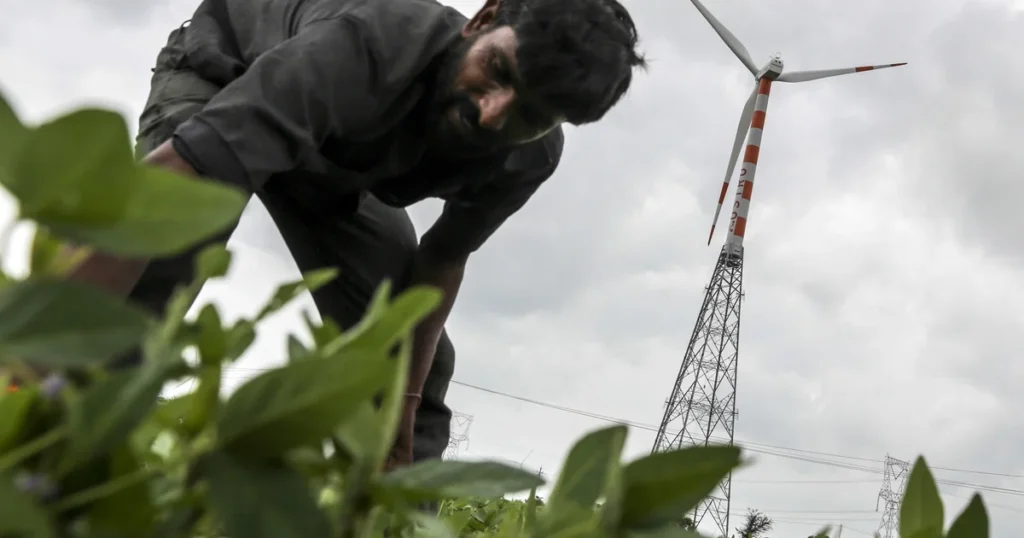
Australia should treat India not merely as a bilateral partner but as the central node of South Asia’s regional integration. Suzlon’s success—founded by Tulsi Tanti in 1995 after he installed two wind turbines for his Gujarat textile business, entering Australia in 2004 and installing 364 turbines with about 764 MW across nine wind farms, with a 17% market share by 2024—shows the two-way flow of capital, technology and expertise. Australia should renew or succeed the A$32 million SARIC program (2019–24), which helped inform US$8 billion in World Bank programs and supported the US$1 billion ACCESS initiative. A renewed, India-anchored SARIC could prepare cross-border energy and transport projects, prioritising a Bangladesh–Bhutan–India–Nepal electricity market that could save US$17 billion in capital costs and help close South Asia’s estimated US$44 billion annual intraregional trade gap.
 ENERGY & CLIMATE
Global Shift to Green Energy
The article argues that the green transition will not end resource geopolitics but shift it from oil to critical minerals and industrial capability. As countries pursue net zero,…
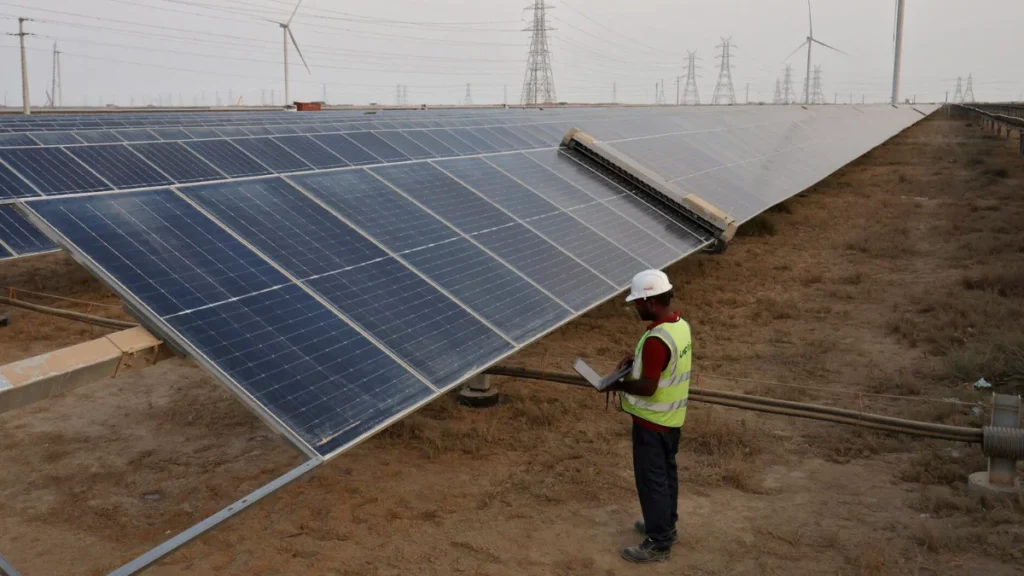
The article argues that the green transition will not end resource geopolitics but shift it from oil to critical minerals and industrial capability. As countries pursue net zero, demand for lithium, cobalt, nickel, graphite and rare earths will rise for batteries, solar panels, wind turbines, semiconductors and storage. Strategic advantage will depend less on owning deposits than on controlling refining, processing, manufacturing and supply chains: China already leads in batteries and solar photovoltaics and has used export restrictions on gallium, germanium and rare-earth magnets as geopolitical leverage, while the US Inflation Reduction Act and EU Critical Raw Materials Act seek to diversify supply. For India, the key challenge is industrial rather than geological: despite 5.9 million tonnes of lithium reserves at Reasi, it must build integrated mining, refining, recycling, R&D and supply-chain capabilities, while partnering with mineral-rich countries such as Australia, Argentina, Chile and Indonesia. The 21st century will reward countries that convert minerals into advanced manufacturing and geopolitical strength.
 ECONOMY & TRADE
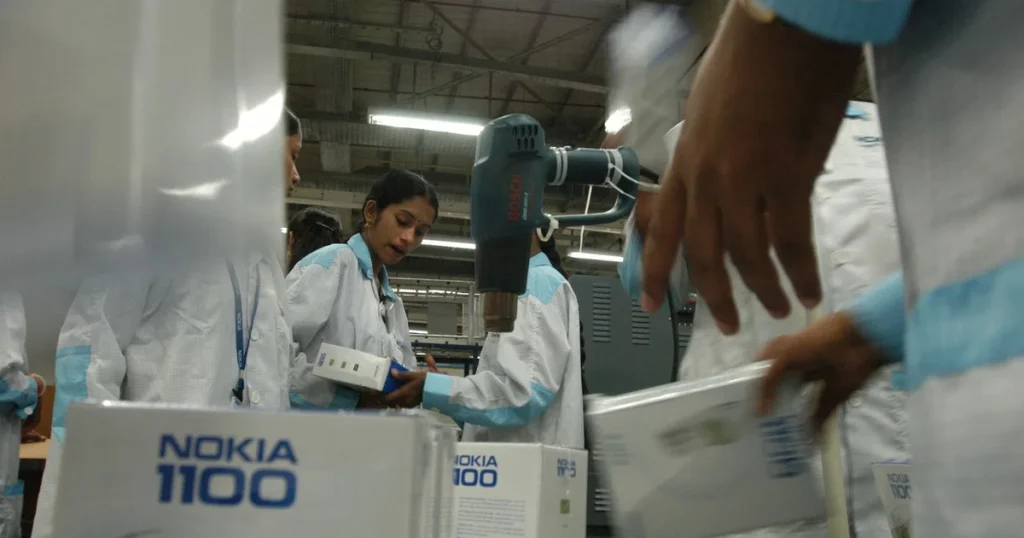
Lessons of globalisation: the vulnerable women of the Nokia factory
Sriperumbudur’s Nokia factory shows how global manufacturing can create women’s economic opportunity while leaving workers exposed to corporate and market shocks. From 2005, Nokia hired about 8,000 workers,…
Sriperumbudur’s Nokia factory shows how global manufacturing can create women’s economic opportunity while leaving workers exposed to corporate and market shocks. From 2005, Nokia hired about 8,000 workers, 70% young local women, offering monthly wages of Rs 2,500–5,000, transport, maternity facilities and an escape from farm labour; but recruitment relied on assumptions of women’s “docility” and flexible labour rules. After wage strikes, a tax dispute, Nokia’s sale to Microsoft and the plant’s 2014 closure, 5,600 of 6,600 remaining employees accepted voluntary retirement payments of Rs 3–5 lakh, while many women struggled to find comparable work because their assembly-line skills were not transferable. Foxconn later revived the site, employing 15,000 people, 90% women, and began iPhone assembly—but the episode underscores the need to protect women workers from precarious, low-transferable employment in globally mobile industries.
 DEFENCE & SECURTIY
US-Iran War 2026: Petrodollar Stakes Behind Hormuz Clash
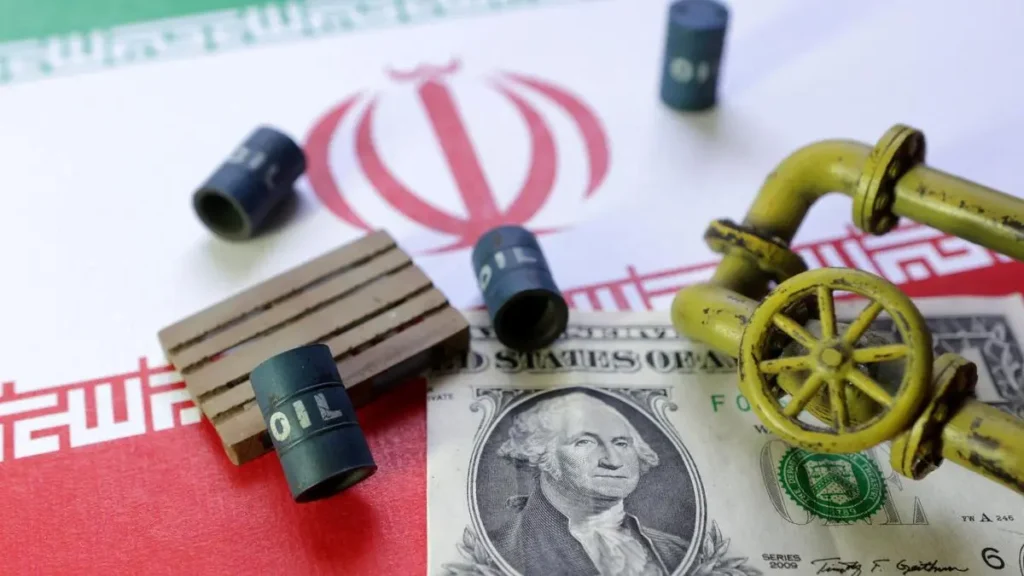
The US-Israel military campaign against Iran has intensified tensions over petrodollar dominance, global financial stability and energy security. Iran’s proposal to conduct oil trade in Chinese yuan through…
The US-Israel military campaign against Iran has intensified tensions over petrodollar dominance, global financial stability and energy security. Iran’s proposal to conduct oil trade in Chinese yuan through the Strait of Hormuz challenges the dollar-based international oil trade system and could strengthen China’s financial influence. Meanwhile, disruptions to the Strait have driven up crude oil prices, complicated US monetary policy and increased concerns over rising American debt. For India, the conflict threatens energy security, LPG supplies, Gulf remittances and vital trade routes. India must therefore balance its diplomatic interests, diversify energy sources and accelerate investment in non-fossil fuels to reduce external dependence.
 ECONOMY & TRADE
US Hormuz Strategy: Dollar vs Petroyuan?
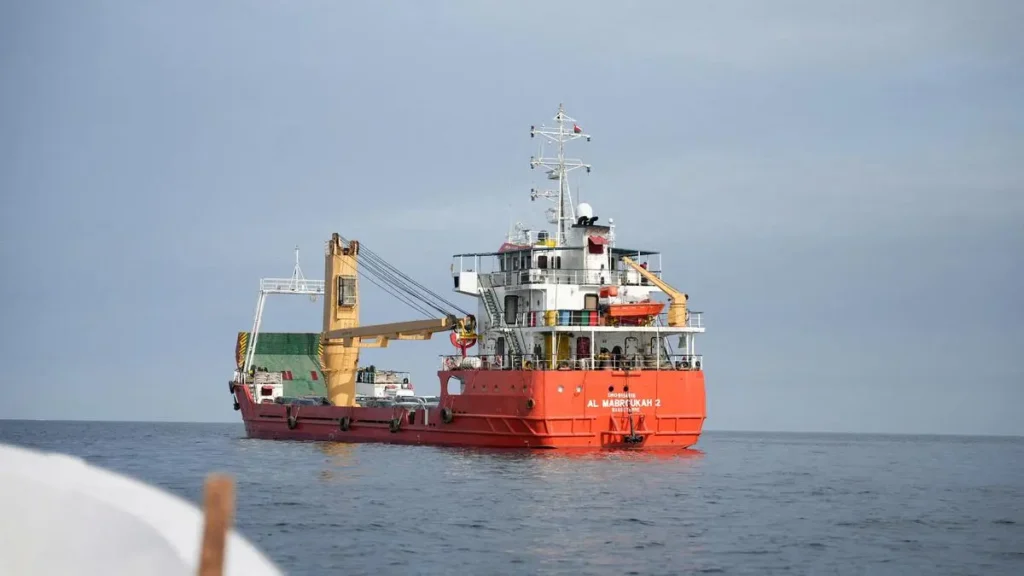
The US-Iran ceasefire negotiations have been complicated by Israel’s attacks on Lebanon and disagreements over the Strait of Hormuz. While Iran considers Lebanon an integral part of regional…
The US-Iran ceasefire negotiations have been complicated by Israel’s attacks on Lebanon and disagreements over the Strait of Hormuz. While Iran considers Lebanon an integral part of regional peace, Washington prioritises reopening and securing the Strait, through which nearly 20% of global crude oil passes. The US naval deployment suggests broader strategic interests beyond Iran’s nuclear programme. The article highlights the petrodollar–petroyuan rivalry, noting China’s dependence on Venezuelan and Iranian oil exports, which have increasingly been traded or intended to be traded in Chinese yuan.
 GEO-POLITICS
West Asia and post-Assad Syria
The fall of Bashar al-Assad’s regime has reshaped West Asian geopolitics, weakening Iran’s regional influence and threatening Russia’s military presence in Syria. Israel has expanded its territorial control…
The fall of Bashar al-Assad’s regime has reshaped West Asian geopolitics, weakening Iran’s regional influence and threatening Russia’s military presence in Syria. Israel has expanded its territorial control in western Syria, disrupting Iranian supply routes to Lebanon. Meanwhile, Turkey seeks greater influence through its support for Hayat Tahrir al-Sham (HTS), while Kurdish demands for autonomy create further tensions. The emerging power vacuum threatens regional stability and may encourage extremist movements. For India, these developments highlight the need to diversify energy partnerships, strengthen regional engagement and safeguard strategic interests.
 REGIONAL AFFAIRS
Attack on Iran will redefine the balance of power in West Asia
The US-Israel attack on Iran raises concerns over the Westphalian principle of state sovereignty and Article 2(4) of the UN Charter, which prohibits the use of force against…
The US-Israel attack on Iran raises concerns over the Westphalian principle of state sovereignty and Article 2(4) of the UN Charter, which prohibits the use of force against other states. Through the Realist perspective, particularly Hans Morgenthau’s theory, the conflict reflects the struggle for power, national interest and preservation of US hegemony. The article argues that Washington’s objectives extend beyond nuclear disarmament to regime change in Iran. It also highlights Iran’s regional ambitions, its support for Palestine and its potential to challenge American influence in West Asia.
 GEO-POLITICS
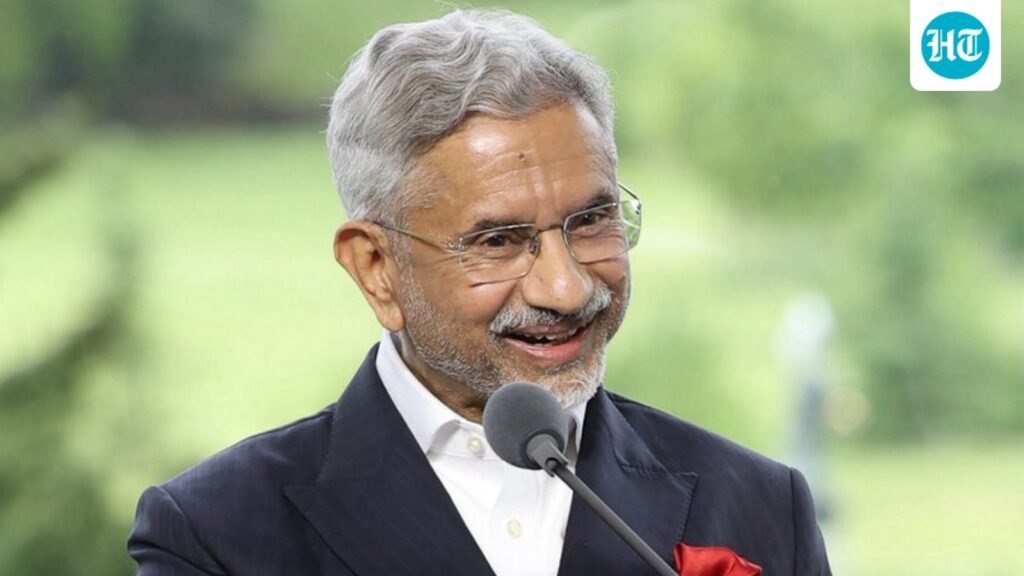
India’s BRICS presidency and its rift with the US
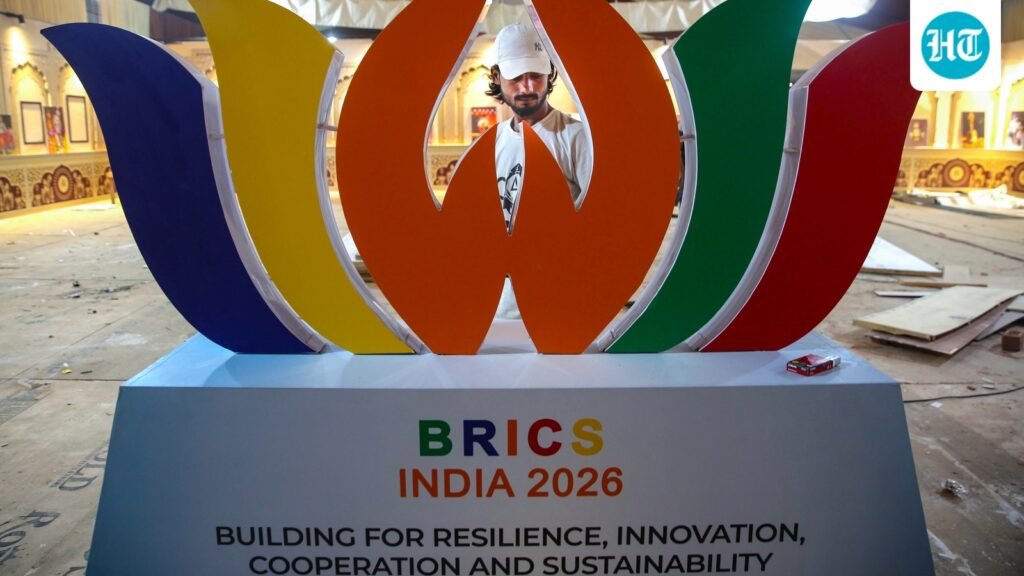
India’s BRICS presidency comes amid growing uncertainty in its relationship with the US over trade, tariffs, defence and strategic priorities. Although the US remains a major economic and…
India’s BRICS presidency comes amid growing uncertainty in its relationship with the US over trade, tariffs, defence and strategic priorities. Although the US remains a major economic and technological partner, India seeks to preserve its strategic autonomy and strengthen engagement with China and Russia. The weakening of American commitment to the Indo-Pacific and uncertainty surrounding the Quad have further influenced India’s diplomatic outreach. Consequently, India is increasingly adopting a diplomatic hedging strategy, engaging with competing great powers without aligning exclusively with any one bloc to protect its national interests.
 GEO-POLITICS
India’s foreign policy in an anarchic world system
The anarchic nature of the international system encourages states to maximise security, creating a security dilemma and intensifying great-power competition. Drawing on Alexander Wendt’s constructivism, the article discusses…
The anarchic nature of the international system encourages states to maximise security, creating a security dilemma and intensifying great-power competition. Drawing on Alexander Wendt’s constructivism, the article discusses Hobbesian, Lockean and Kantian models of anarchy. It examines India’s emergence as a swing state, pursuing transactional diplomacy and strategic autonomy while maintaining relations with competing powers. India’s foreign policy is influenced by China’s rise, US unpredictability, geopolitical rivalries and deglobalisation. The article highlights the challenge of balancing possession-based and milieu-based objectives while pursuing its ambition of becoming a developed nation by 2047.
 DEFENCE & SECURTIY
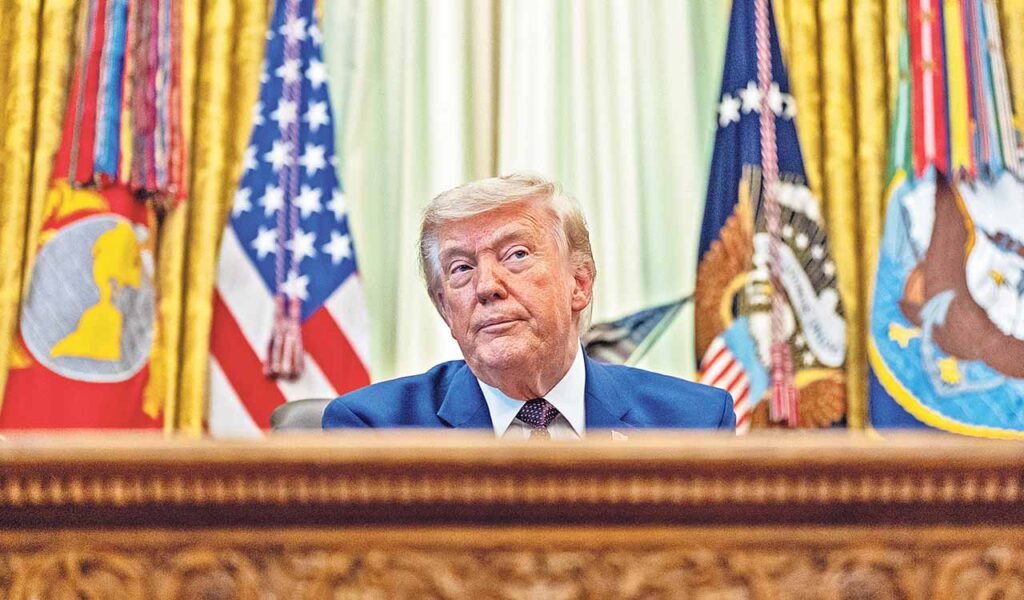
Opinion: US-Iran war and the rise of geoeconomics under Trump
The US-Iran peace negotiations have expanded beyond nuclear issues and the Strait of Hormuz to include the Abraham Accords, with proposals for Iran to recognise Israel. The article…
The US-Iran peace negotiations have expanded beyond nuclear issues and the Strait of Hormuz to include the Abraham Accords, with proposals for Iran to recognise Israel. The article examines the war through the lens of Marxist political economy, arguing that its economic costs are borne widely while profits remain concentrated among influential business interests. Trump’s repeated peace announcements and renewed military escalations have also contributed to volatility in global oil and financial markets. It further highlights the growing influence of geoeconomics over geopolitics and the weakening of the rules-based international order.
 GEO-POLITICS
Signs of a collapsing rules-based international order
The US military interventions in Venezuela and Iran have intensified criticism of American imperialism and raised concerns over the erosion of the rules-based international order. The article highlights…
The US military interventions in Venezuela and Iran have intensified criticism of American imperialism and raised concerns over the erosion of the rules-based international order. The article highlights violations of state sovereignty and Article 2(4) of the UN Charter, which prohibits the use of force against other states. It argues that unilateral military actions by great powers could weaken international law, encourage nuclear proliferation and intensify global insecurity. Through Realist and Marxist perspectives, it examines power politics, resource competition and US hegemony, while highlighting the revival of the Monroe Doctrine under Trump’s National Security Strategy.
 ECONOMY & TRADE
Where Cyprus fits in the India–Europe Maritime Corridor – Cyprus Shipping News
Cyprus is seeking to strengthen its maritime and commercial role in the India–Middle East–Europe Economic Corridor (IMEC) by connecting its shipping industry with Indian ports, shipyards and maritime…
Cyprus is seeking to strengthen its maritime and commercial role in the India–Middle East–Europe Economic Corridor (IMEC) by connecting its shipping industry with Indian ports, shipyards and maritime service providers. Its existing ship-management network in India provides opportunities for cooperation in ship repair, maintenance, crew training and marine fuel procurement. India’s shipbuilding incentives and emerging green-fuel projects further expand these possibilities. However, regulatory compliance, emissions standards, financing and commercial viability remain important challenges. The article emphasises that maritime cooperation should translate into long-term business contracts and stronger India–Cyprus economic partnerships.
 ECONOMY & TRADE
Cyprus can shape the Next India–Europe trade route
Cyprus is seeking to attract Indian maritime businesses by positioning itself as a European base for shipping operations, finance and regulatory services. The India–EU Free Trade Agreement and…
Cyprus is seeking to attract Indian maritime businesses by positioning itself as a European base for shipping operations, finance and regulatory services. The India–EU Free Trade Agreement and proposed IMEC corridor create opportunities for stronger maritime cooperation. Cyprus can leverage its established ship-management industry to support Indian companies in European operations, ship leasing, maintenance, emissions compliance and green shipping. Existing institutional cooperation, including the Joint Maritime Committee, provides a framework for partnerships. The article emphasises attracting Indian investment, skilled employment and long-term commercial contracts to strengthen Cyprus’s maritime economy.
 ECONOMY & TRADE
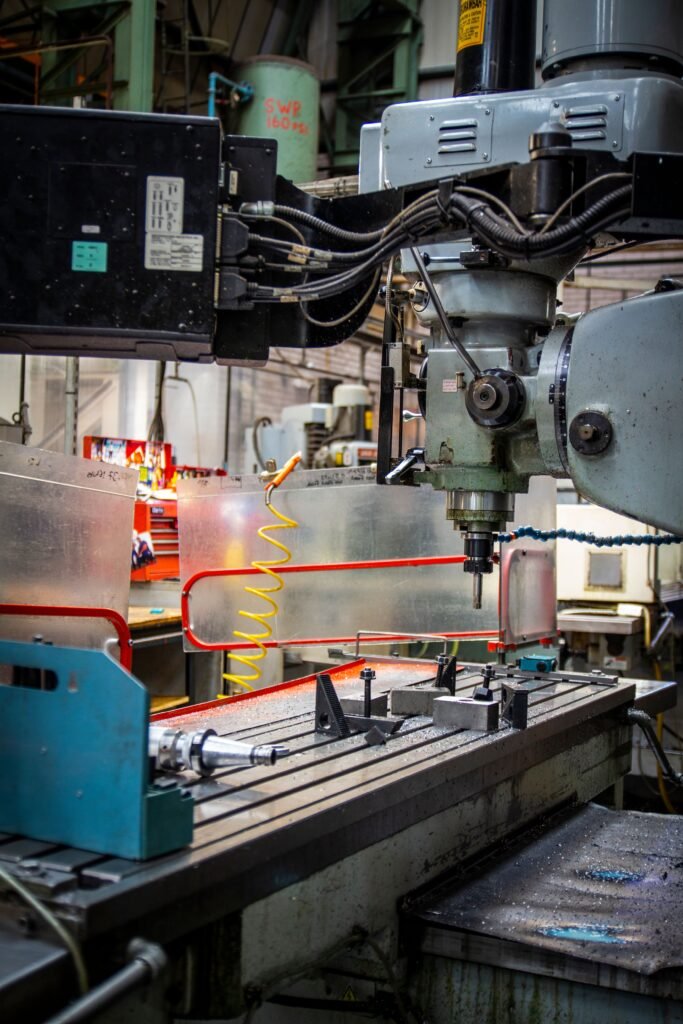
Making trade work for Swiss and Indian SMEs – Foraus
The India–EFTA Trade and Economic Partnership Agreement (TEPA) aims to strengthen trade, investment and employment between India and Switzerland, Norway, Iceland and Liechtenstein. The article highlights the need…
The India–EFTA Trade and Economic Partnership Agreement (TEPA) aims to strengthen trade, investment and employment between India and Switzerland, Norway, Iceland and Liechtenstein. The article highlights the need to translate market access into actual business opportunities, particularly for small and medium-sized enterprises. It proposes supplier-development programmes, technical testing support, conformity assessments and vocational training to help Indian manufacturers enter Swiss supply chains. Cooperation between government agencies and industry associations can facilitate partnerships, improve manufacturing standards and generate skilled employment. The success of TEPA should ultimately be measured through realised investments, commercial contracts and repeat business.
No stories match
Try a different topic, writer or search term.